Healthy, strong nails are typically taken for granted, but their condition can be a surprise predictor of your overall health. When nails often split, break, or show strange symptoms, they may indicate nutritional inadequacies or underlying health issues. Recognizing these indicators early on can not only improve the appearance of your nails, but it can also alert you to body needs that, if handled promptly, can improve your overall health and prevent future complications.
In this nail health exploration, we will look at the numerous reasons why nails can become weak or brittle, as well as what your body is trying to communicate via these changes. Understanding these causes, which range from the effects of your diet and environmental variables to more serious health concerns, can help you make informed decisions about your nutrition and lifestyle, and when to seek professional guidance. This comprehensive look at nail health aims to equip you with the information you need to maintain not only beautiful nails but also a healthy body.
1. Nutritional Deficiencies
Lack of Biotin
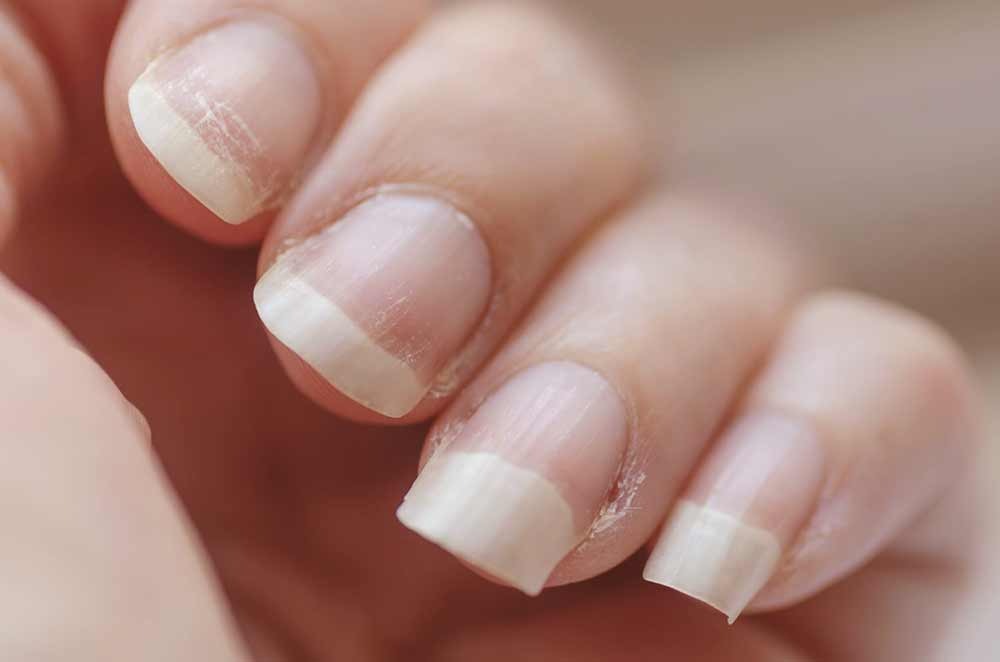
Biotin, a B vitamin, is essential for the health of your hair, skin, and nails. A biotin deficit can result in brittle, easily splitting nails. Biotin-rich foods include eggs, almonds, cauliflower, cheese, mushrooms, sweet potatoes, and spinach.
Iron Deficiency
Iron is essential for your body’s creation of hemoglobin, which transports oxygen to cells, including those involved in nail development and health. An iron deficit can cause brittle, irregularly formed nails. Consider increasing your iron intake by eating more spinach, red meat, lentils, and fortified cereals.
Insufficient Protein Intake
Nails are made up primarily of keratin, a protein. A protein-deficient diet might result in weakened nails and increased breaking. Incorporate extra lean meats, poultry, fish, beans, and dairy products into your diet to increase your protein intake.
2. Hydration Issues
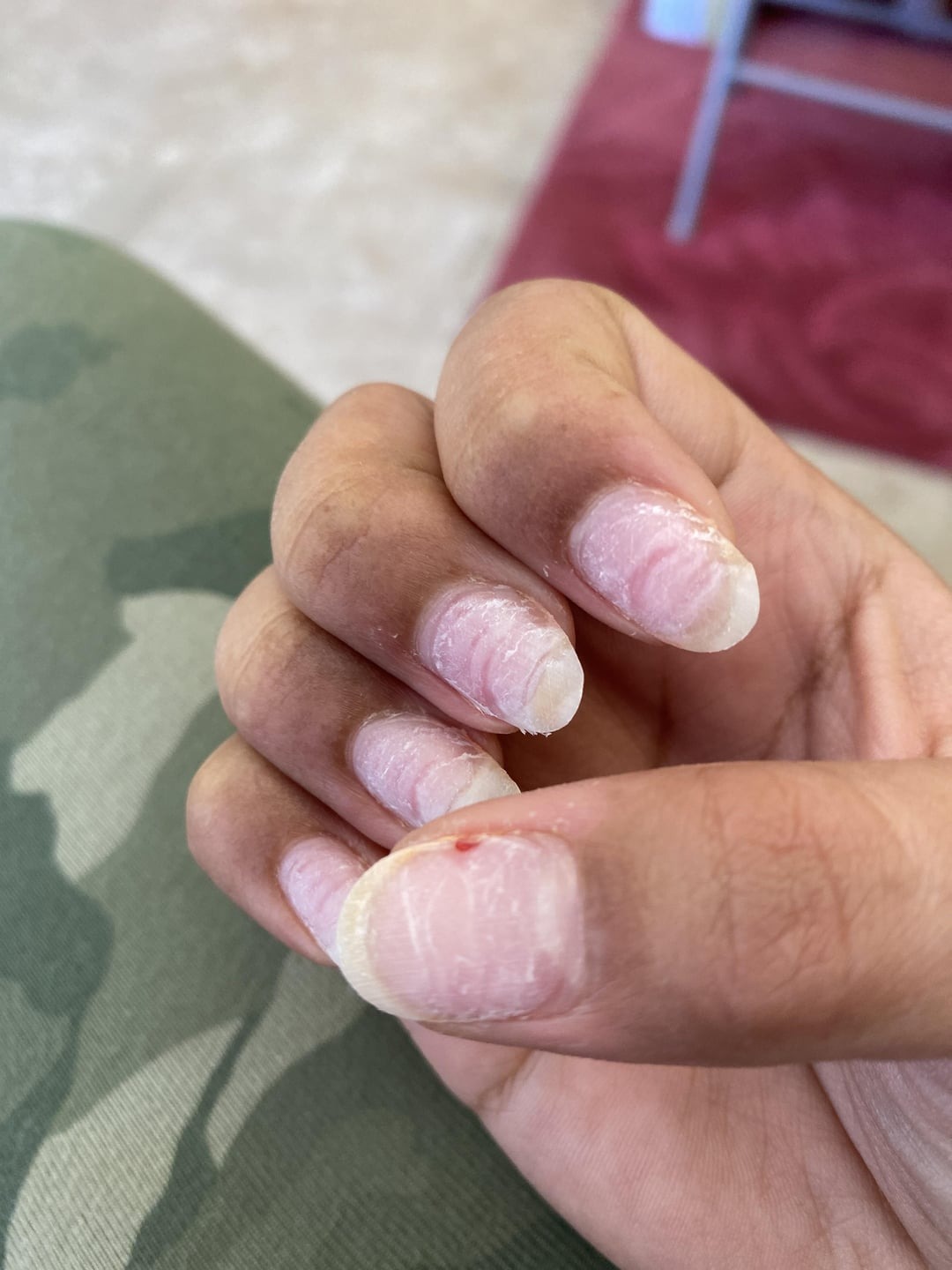
Dehydration can have a big influence on your nails, making them brittle and more likely to split. Drinking enough of water throughout the day helps keep nails flexible and strong.
3. Environmental Factors
Chemical Exposure
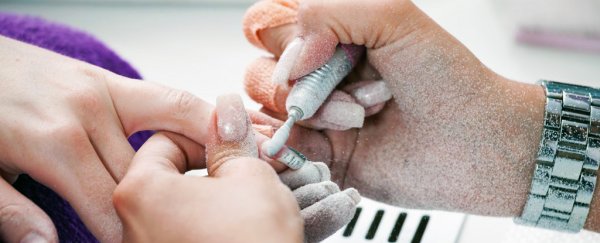
Regular exposure to harsh chemicals, such as cleaning agents, nail paint removers, and detergents, can gradually damage your nails. Wearing gloves while cleaning and using acetone-free nail polish removers can help to reduce these effects.
Weather Conditions
Extreme cold or dry weather can dehydrate your nails and cause them to become brittle. Using a moisturizer and wearing gloves during the colder months can provide protection.
4. Health Conditions
Thyroid Dis.e.a.ses
Both hyperthyroidism and hypothyroidism can lead to brittle nails. If you suspect your thyroid is the problem, a simple blood test can help diagnose the illness and provide suitable treatment.
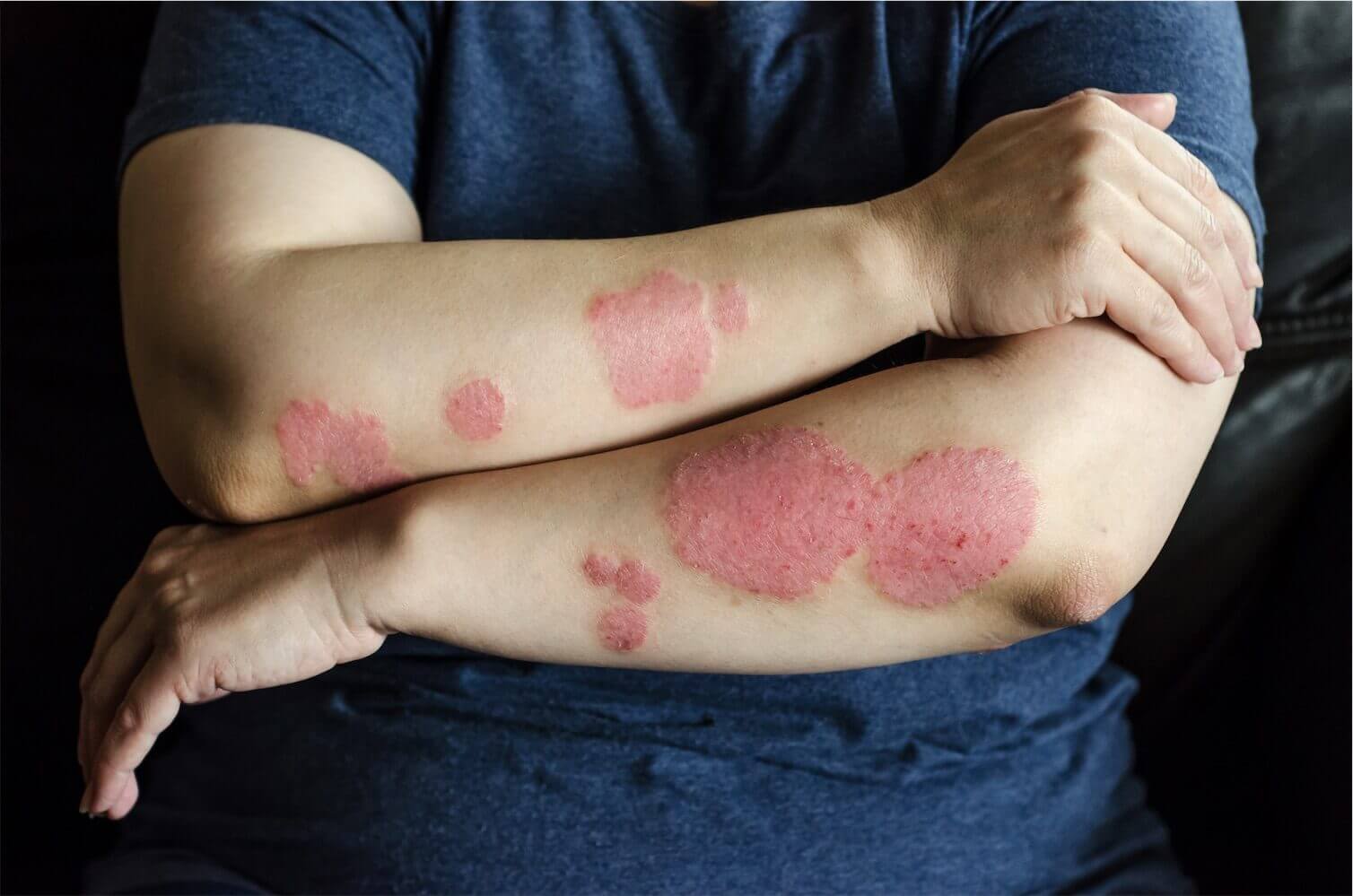
Psoriasis
This skin ailment can spread to the nails, resulting in pitting, irregular nail growth, and splitting. Treating the underlying psoriasis can typically lead to better nail health.
Fungal Infections
Fungal infections can harm the nail bed, causing nails to become brittle and split. Antifungal medications are successful at resolving these infections.
5. Physical Stress
Repeated physical strain, such as using your nails as tools, can result in both acute and long-term harm. Keeping nails clipped and not using them incorrectly might help prevent splits and breaks.
6. Age-Related Changes

Nails might dry out and become more brittle as you get older. Adding additional omega-3 fatty acids to your diet and hydrating your nails can help combat these changes.
Your nails might reveal important information about your overall health. You may enhance your nail health as well as your overall well-being by addressing nutritional deficiencies, protecting yourself from environmental harm, staying hydrated, and seeking treatment for any underlying health concerns. If you are concerned about recurrent nail problems, you should speak with a healthcare practitioner or a dermatologist to learn more about your health and possible remedies.